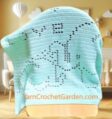
At Yarn Crochet Garden, every stitch has a story. Whether you’re crafting a nursery heirloom or a cozy throw for your own home, we believe in making the process as smooth and enjoyable as the finished product.
To help you get started with confidence, here is exactly what you can expect when you purchase one of our patterns:
📁 Instant Digital Delivery
We prioritize your time. All of our patterns are instant digital PDF downloads. Once your purchase is complete, you’ll receive a secure link to your pattern immediately—no waiting for mail and no shipping fees.
*Note: Personal or customer designs will take 48 hrs.
🧶 Designed for Clarity
Our patterns are crafted to be easy to follow, whether you are a beginner or a seasoned pro. Each PDF includes:
Clear, visual charts for filet crochet motifs.
Step-by-step written instructions in standard US American crochet terminology.
Device-friendly formatting so you can view your pattern easily on your tablet, laptop, or phone while you crochet.
✨ Caring for Your Keepsakes
Once you’ve completed your blanket, we want it to last a lifetime. For best results:
Hand wash in cool water with a gentle detergent.
Lay flat to dry on a clean towel to maintain the shape and integrity of your stitches.
Store in a cool, dry place away from direct sunlight.
💌 We’re Here to Support You
You are never alone in your crafting journey! If you ever have questions or need a little guidance, our support team is just an email away at: support@yarncrochetgarden.com. We are committed to your success and love seeing your finished projects!
Ready to start your next handmade treasure? Browse our full pattern library and find your next project today at [Link to Shop].
Need baby nursery ideas? Create a beautiful, handmade blanket with these 5 themes featuring cute animals and nature-inspired filet crochet patterns. Shop here!
Creating a curated nursery is a labor of love, and a handmade blanket is often the heart of that space. Whether you are designing a room around a specific theme or looking for a special heirloom-quality gift, filet crochet blankets offer a beautiful, textured way to bring personality into a baby’s room.
Here are 5 ideas for your next baby nursery blanket, featuring designs from the Yarn Crochet Garden collection that are perfect for creating a cozy, thoughtful space.
1. The “Sunshine & Smiles” Nursery
Nothing brightens up a room like the classic “You Are My Sunshine” theme. A blanket featuring sun and cloud motifs brings a sense of warmth and cheer to any crib. The filet crochet technique highlights the clean lines of the sunbeams, making it a sophisticated yet whimsical addition to a nursery.
Pair it with: Soft yellows, sky blues, and fluffy white textures in the room decor.
2. Woodland Adventures
Forest themes remain a timeless favorite for nurseries because they create a calm, earthy environment. You can create a gentle narrative by choosing designs that feature sleeping foxes or the soft, curious gaze of a wolf. These patterns are perfect for nature lovers and create a soothing, “cozy cabin” vibe for little ones to drift off to sleep.
Pair it with: Natural wood furniture, forest green accents, and neutral earth tones like beige or cream.
3. Farmhouse Charm
For a nursery that feels homey and full of character, look no further than the farm. Crochet blankets featuring cute pigs, cows, or chickens add a touch of rustic charm. These patterns are often playful and engaging, making them a hit for parents who love a vintage, farmhouse-inspired aesthetic.
Pair it with: Soft pastels, gingham patterns, and rustic woven baskets for storage.
4. Safari Friends
If you want to bring a bit of the wild indoors, animal-themed blankets are an excellent choice. An elephant motif, for example, is a classic, gentle giant that symbolizes wisdom and strength—perfect for a baby’s nursery. These designs work beautifully as centerpieces draped over a rocking chair.
Pair it with: Grey and white color palettes, or add pops of soft green for a lush, jungle-inspired nursery.
5. Playful Critters & Companions
Sometimes the best nursery theme is one that focuses on playfulness. Combining unexpected motifs—like a dog playing with a bird or a serene cat with butterflies—creates a unique focal point. These blankets are not just bedding; they are storytelling pieces that add personality to the nursery walls or the edge of a crib.
Pair it with: Soft, contrasting colors that make the filet crochet motifs “pop” against the background.
Tips for Your Next Project
When working on these designs, remember that filet crochet is incredibly versatile. Because these patterns are beginner-friendly, they allow you to focus on the stitch work and the softness of the yarn, ensuring your baby blanket is as comfortable as it is beautiful.
Looking for the perfect pattern to start your next nursery project? Explore our full collection of over 180 designs at Yarn Crochet Garden and find the inspiration you need to create something truly special.
Learn how to read a filet crochet pattern with this beginner‑friendly guide. Understand charts, blocks, stitch counts, and start your first filet crochet project confidently.
If you’ve ever looked at a filet crochet chart and felt overwhelmed, you’re not alone. Filet crochet looks delicate and detailed, but it’s actually one of the easiest crochet techniques for beginners once you understand how the blocks and charts work. This beginner guide will teach you how to read filet crochet patterns, how to understand filet crochet charts, and how to confidently start your first filet project.
🌟 What Is Filet Crochet? (Beginner Definition)
Filet crochet is a classic crochet technique that uses only two types of blocks:
Open blocks (empty squares)
Filled blocks (solid squares)
By arranging these blocks in different ways, you can create:
Pictures
Letters
Geometric shapes
Lace‑style motifs
Animals, hearts, and more
Most filet crochet patterns use charts, but some include written instructions as well.
📊 How to Read a Filet Crochet Chart (Step‑by‑Step)
A filet crochet chart is a grid made of squares. Each square represents one “block,” and each block is either open or filled. The pattern will tell you which stitch method it uses.
This helps you practice switching between open and filled blocks.
🌼 Final Thoughts
Once you understand how to read filet crochet charts, the technique becomes relaxing, rhythmic, and incredibly fun. With just simple stitches, you can create beautiful lace‑style blankets, wall hangings, table runners, and more.